You'll walk into the NCLEX having studied a fraction of the drugs your textbook lists, and that's fine. The exam tests patterns, not total recall: how a drug class works, what side effects follow from the mechanism, and what a nurse does about them. Master a handful of high-yield classes and you can reason through a question about a drug you've never laid eyes on.
How to use this cheat sheet: for each drug class, focus on the mechanism first. Understand why a drug works and its side effects and nursing priorities become logical instead of random facts to memorize.
1. ACE Inhibitors & ARBs: The Blood Pressure Workhorses
Suffix clue: ACE inhibitors end in -pril (lisinopril, enalapril); ARBs end in -sartan (losartan, valsartan). ACE inhibitors block conversion of angiotensin I to angiotensin II, reducing vasoconstriction and aldosterone release; ARBs block angiotensin II at the receptor. Both lower blood pressure and reduce cardiac workload. Used for hypertension, heart failure, diabetic nephropathy, and post-MI protection.
- Monitor potassium: both classes cause potassium retention. Hyperkalemia is a real risk, especially with renal impairment.
- Watch for dry cough: ACE inhibitors cause a persistent dry cough (bradykinin buildup). If it's intolerable, switch to an ARB.
- Check renal function: monitor BUN and creatinine. Hold and notify the provider if kidney function drops.
- Angioedema alert: rare but life-threatening. Swelling of the face, lips, or tongue means stop the drug and call a rapid response.
- Contraindicated in pregnancy: ACE inhibitors and ARBs carry a boxed warning for fetal toxicity and are stopped the moment pregnancy is confirmed. Always ask about pregnancy status before giving the first dose.
2. Beta-Blockers: Slow It Down, Protect the Heart
Suffix clue: end in -olol (metoprolol, atenolol, propranolol, carvedilol). They block beta-adrenergic receptors, decreasing heart rate, blood pressure, and myocardial oxygen demand. Some are cardioselective (beta-1 only); others are non-selective (beta-1 and beta-2). Used for hypertension, heart failure, angina, post-MI, arrhythmias, and migraine prophylaxis.
- Always check apical pulse: hold if HR is below 60 bpm and notify the provider.
- Monitor blood pressure: watch for hypotension, especially with position changes.
- Never stop abruptly: taper gradually. Sudden discontinuation can cause rebound hypertension, tachycardia, or angina.
- Mask hypoglycemia: beta-blockers blunt the tachycardia that normally signals low blood sugar. Educate diabetic patients to monitor glucose closely.
- Non-selective beta-blockers plus asthma is dangerous, propranolol blocks beta-2 receptors in the lungs, which can trigger bronchospasm.
Get free NCLEX-RN study tips
The highest-yield NCLEX-RN prep, in plain English, a few minutes a week.
By subscribing you agree to receive emails from HLT Mastery.
- Weekly, never noisy
- One short email a week — the highest-yield concept to review and a practice question to test yourself.
- No spam, no sharing
- Prep for your exam. Unsubscribe in one click, and we never share your email.
3. Anticoagulants: Preventing Clots Without Causing Bleeds
This is arguably the highest-yield class on the NCLEX, and you need to know the difference between heparin and warfarin cold. Enoxaparin (Lovenox) is a low-molecular-weight heparin given SubQ only, needs less monitoring, but still requires watching for bleeding. If a patient on warfarin has an INR of 4.5, the priority is to hold the warfarin and notify the provider; if they are actively bleeding with a high INR, the answer is vitamin K.
| Dimension | Heparin | Warfarin (Coumadin) |
|---|---|---|
| Route | IV / SubQ | Oral |
| Onset | Immediate | 3–5 days to therapeutic effect |
| Lab to monitor | aPTT | PT/INR (therapeutic INR 2.0–3.0) |
| Antidote | Protamine sulfate | Vitamin K (phytonadione) |
- Assess for bleeding: check gums, urine, stool, bruising, and neurological status at every assessment.
- Know your antidotes: heparin reverses with protamine sulfate; warfarin reverses with vitamin K. This is tested constantly.
- Warfarin and vitamin K foods: don't eliminate green leafy vegetables; keep intake consistent.
- Heparin-induced thrombocytopenia (HIT) paradoxically causes clotting, not bleeding. Monitor platelet counts.
- Never give IM injections to patients on anticoagulants.
4. Diuretics: Managing Fluid, Protecting Electrolytes
Three types show up repeatedly: loop diuretics (furosemide/Lasix), thiazide diuretics (hydrochlorothiazide/HCTZ), and potassium-sparing diuretics (spironolactone). All increase urine output but at different parts of the nephron. Loop diuretics are the most powerful, think 'furious diuresis' for furosemide.
- Loop and thiazide diuretics waste potassium, monitor for hypokalemia and encourage potassium-rich foods.
- Spironolactone is potassium sparing: monitor for hyperkalemia instead.
- Weigh daily, same time, same scale: 1 kg weight gain is about 1 liter of fluid retained.
- Ototoxicity with loop diuretics: furosemide IV pushed too fast can cause hearing loss. Infuse at no more than 20 mg/min.
- Check blood glucose: thiazide and loop diuretics can cause hyperglycemia in diabetic patients.
5. Opioid Analgesics: Pain Management and Safety First
Key drugs: morphine, hydromorphone (Dilaudid), oxycodone, fentanyl, and codeine. They bind to mu-opioid receptors in the CNS, blocking pain signal transmission and altering pain perception.
- Respiratory depression is the number one concern, monitor respiratory rate before every dose and hold if RR is below 12.
- Know the antidote: naloxone (Narcan) reverses opioid effects rapidly.
- Sedation precedes respiratory depression, increasing drowsiness is an early warning sign.
- Constipation is expected: start a bowel regimen with scheduled opioid therapy.
- Never crush extended-release formulations, it can cause fatal dose dumping.
6. Cardiac Glycosides: Digoxin Is Its Own Category
Digoxin increases the force of cardiac contraction (positive inotrope) and slows the heart rate. It has a narrow therapeutic window, so toxicity questions are extremely common.
- Check apical pulse for a full 60 seconds, hold if HR is below 60 bpm (adult) or below 100 bpm (infant).
- Hypokalemia increases digoxin toxicity, low potassium plus digoxin is dangerous.
- Signs of toxicity: nausea, vomiting, anorexia, visual disturbances (yellow-green halos), and bradycardia.
- Antidote: digoxin immune fab (Digibind), used for severe toxicity.
- Don't give with antacids: space by 2 hours to avoid absorption interference.
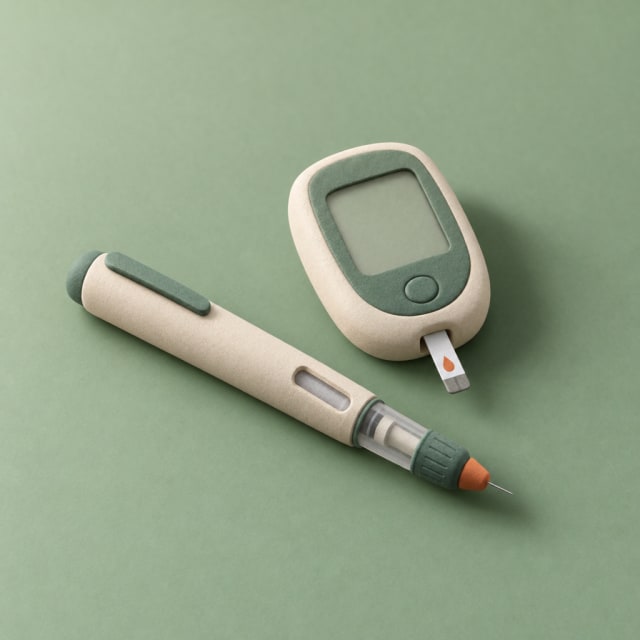
7. Insulin & Oral Hypoglycemics: Know Your Onsets
Diabetes medications are high-yield because they connect pharmacology, patient education, and emergency response.
- Rapid-acting (lispro, aspart): onset 15 minutes; give with meals.
- Short-acting (regular insulin): onset 30–60 minutes. The only insulin given IV (used in DKA).
- Intermediate (NPH): onset 1–2 hours, peaks at 4–12 hours. Peak is the highest hypoglycemia risk.
- Long-acting (glargine/Lantus): no peak, 24-hour basal coverage. Never mix with other insulins.
- Hypoglycemia priority: signs are shakiness, sweating, confusion, and tachycardia. Treat with 15 g fast-acting carbs and recheck in 15 minutes (Rule of 15).
- Metformin safety: hold before contrast dye. Contraindicated in renal impairment. Watch for lactic acidosis.
8. Antibiotics: Protecting Patients While Fighting Infection
The NCLEX tests whether you can give antibiotics safely and monitor for complications, not whether you can pick the right antibiotic for a specific bacteria.
- Always assess for allergies first: penicillin allergy is the most common, and cross-sensitivity exists with cephalosporins.
- Aminoglycosides (gentamicin, tobramycin), monitor for ototoxicity and nephrotoxicity; check trough levels.
- Vancomycin: infuse slowly over at least 60 minutes. Rapid infusion triggers vancomycin flushing syndrome (formerly called red man syndrome), with flushing of the face, neck, and upper torso.
- Fluoroquinolones (-floxacin): risk of tendon rupture, especially in older adults on corticosteroids.
- Get cultures before starting antibiotics, identify the organism first.
- Complete the full course: educate patients to finish all antibiotics even if they feel better.
Pattern to remember for almost every antibiotic question: (1) allergy assessment, (2) obtain cultures, (3) monitor renal function and drug levels, and (4) educate on completing the course.
How to Study This Cheat Sheet
One class per day
Spend 20 minutes on a single drug class. Understand the mechanism first.
Connect drugs to patients
Think of a real patient from clinical or a case study. Concrete memories stick.
Use the suffix trick
-pril = ACE inhibitor, -olol = beta-blocker, -sartan = ARB, -statin = cholesterol.
Practice with NCLEX-style questions
Reading is not enough. Apply these facts in exam format.
Focus on safety and nursing priorities
The NCLEX tests what a nurse does, not what a pharmacist knows.
The NCLEX isn't testing whether you can name every drug. It's testing whether you can keep a patient safe.
Sources
- 1.World Health Organization (2018). The use of stems in the selection of International Nonproprietary Names (INN) for pharmaceutical substances. WHO. https://www.who.int/teams/health-product-and-policy-standards/inn/stembook
- 2.National Council of State Boards of Nursing (2026). NCLEX-RN Test Plan, Effective April 2026. NCSBN. https://www.nclex.com/files/2026_RN_Test%20Plan_English-F.pdf