
NCLEX Mastery
\
Apr 5, 2026
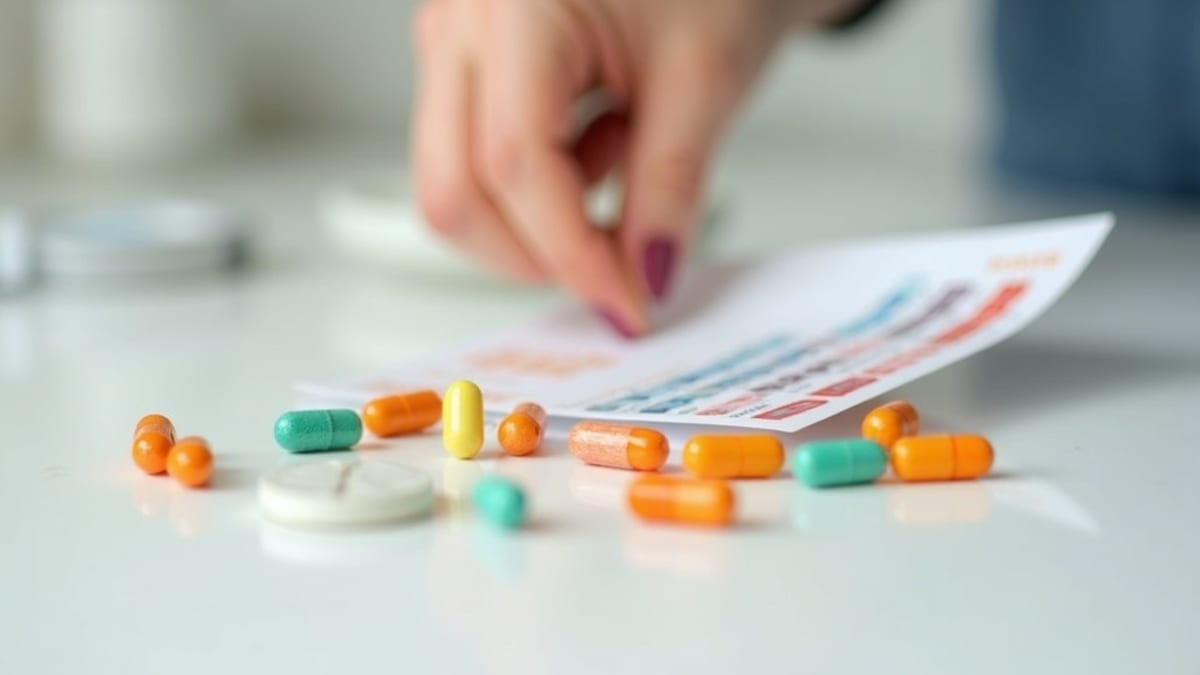
Pharmacology terrifies most nursing students. Not because meds are inherently complicated, but because drug names look like alphabet soup. -pril, -olol, -statin, -ase—it's chaos.
Here's the reality: you don't need to memorize 20,000 drug names. You need to recognize the suffix patterns. Once you see the suffix, you know the mechanism. Once you know the mechanism, most NCLEX questions become predictable.
The Suffix Strategy: Your Secret Weapon
Suffix | Class | Mechanism | NCLEX Priority |
|---|---|---|---|
-pril | ACE Inhibitor | Blocks angiotensin conversion | Monitor potassium, dry cough |
-olol | Beta-blocker | Blocks beta receptors | Hold if HR below 60 |
-statin | HMG-CoA Reductase | Lowers cholesterol synthesis | Monitor liver enzymes |
-pam/-lam | Benzodiazepine | Enhances GABA | Fall risk, respiratory depression |
-sartan | ARB | Blocks angiotensin II receptors | Monitor potassium, renal function |
Drug suffixes are intentional. The FDA naming system uses them as shorthand for drug class. When you see a suffix, you instantly know what the drug does and what can go wrong.
Top 10 Drug Suffixes for NCLEX
-pril → ACE inhibitors (lisinopril, enalapril). Lower BP. Watch for hyperkalemia, dry cough, angioedema.
-olol → Beta blockers (metoprolol, atenolol). Lower HR & BP. Watch for bradycardia, hypoglycemia masking.
-statin → Statins (atorvastatin, simvastatin). Lower cholesterol. Watch for muscle pain, liver toxicity.
-zole → Anticonvulsants (phenytoin-related, omeprazole for PPIs). Context matters.
-mycin → Antibiotics (gentamicin, streptomycin, erythromycin). Watch for ototoxicity, nephrotoxicity.
-dipine → Calcium channel blockers (nifedipine, amlodipine). Lower BP & HR. Watch for edema, constipation.
-ium → Lithium, sodium, potassium salts. Narrow therapeutic window. Monitor levels religiously.
-ide → Diuretics (furosemide, hydrochlorothiazide). Watch for dehydration, electrolyte imbalances.
-one → Corticosteroids, some anticonvulsants. Context dependent. For steroids, watch for immunosuppression, hyperglycemia.
-ase → Enzyme inhibitors or digestive enzymes (protease inhibitors, amylase). Mechanism varies by context.
The 3-Question Framework for Any Pharm Question
Before you read the answer choices, ask yourself three things:
1. What class is this drug?
Look at the suffix or the drug name itself. If you see "-pril," it's an ACE inhibitor. Period.
2. What does it do?
Know the primary action. ACE inhibitors block angiotensin II, so they lower BP and reduce kidney workload. Statins block cholesterol synthesis, so they lower LDL.
3. What can go wrong?
Side effects and contraindications follow the mechanism. If a drug blocks angiotensin II, expect hyperkalemia (because aldosterone drops). If a drug blocks cholesterol synthesis, expect muscle damage and liver strain.
Most NCLEX questions test side effect recognition or contraindication spotting.
Once you know #1 and #2, #3 becomes obvious.
Linking Mechanism to Safety
The strongest NCLEX tactic: link every side effect back to the mechanism.
Example: ACE inhibitors cause hyperkalemia. Why? Because they block aldosterone, which normally helps kidneys excrete potassium. No aldosterone = potassium builds up.
Example: Statins cause muscle pain. Why? Because they block cholesterol synthesis, and muscle cells need cholesterol to function. Starve them of cholesterol, they ache. Logic, not memory.
The Study Approach That Actually Works
Don't make flashcards of every drug. Instead:
Master 10 drug suffixes (above).
For each suffix, know the primary mechanism and the 2-3 biggest side effects.
When you see a new drug on a practice question, decode the suffix first. Nine times out of ten, you'll predict the answer.
For unusual drugs (meds that don't fit a common suffix), treat them like a disease or concept question: understand the mechanism, apply it to the scenario.
This approach cuts your study load by 70% and your decision time on questions by 50%.
Keep Reading
If you want to drill these suffix patterns until they're automatic, NCLEX RN Mastery has 4,000+ adaptive practice questions — including pharmacology sets organized by drug class and suffix. Ten free questions daily, no credit card required.
Pro Tip: When you see an unfamiliar drug on the NCLEX, look at the last 3-5 letters first. The suffix is your fastest path to the right answer.
Final Word
Pharmacology feels impossible until it clicks. And it clicks when you stop memorizing and start recognizing patterns. The suffix strategy is that pattern. Use it on every practice question for two weeks. You'll be shocked how fast pharm questions become predictable.

NCLEX Mastery
\
How to Interpret ABGs for the NCLEX
How to Interpret ABGs for the NCLEX

NCLEX Mastery
\
Estimating TBSA: What Every Nurse Should Know
Estimating TBSA: What Every Nurse Should Know

Catherine Cantrell, MSN, RN
\
What Actually Happens When You Fail a Nursing Course